

Pinehurst Junior Open presented by Srixon
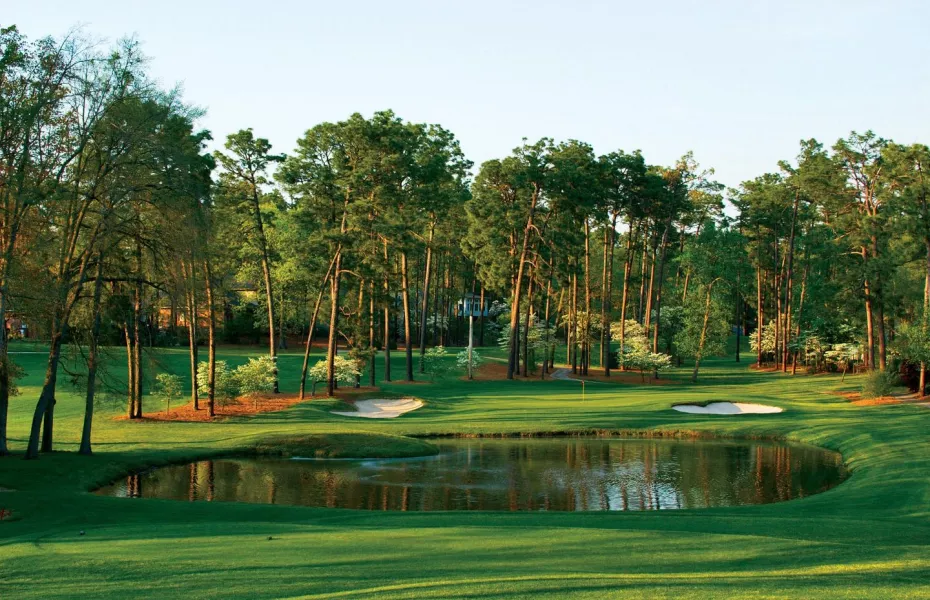
There are venues that host tournaments.
And then there is Pinehurst Resort.
The Pinehurst Junior Open presented by Srixon brought the Hurricane Junior Golf Tour to one of the most respected landscapes in American golf — and the course responded the only way it knows how: by demanding precision.
Pinehurst does not overwhelm with length. It overwhelms with nuance.
The defining feature — crowned, turtleback greens — punishes indecision. Approach shots must be landed in exact quadrants. Miss by a yard, and collection areas pull the ball 20 feet away. Players quickly learn that aggressive flags come at a price.
Over two days, every division felt that reality.
Fairways framed by native sand and wiregrass forced thoughtful tee shots. Elevated green complexes created constant visual pressure. The wind, subtle but shifting, made club selection a conversation on nearly every hole.
The result wasn’t low scoring. It was disciplined scoring.
Across divisions, leaders separated themselves not through streaks of birdies but through the absence of mistakes. Pinehurst rewards patience. It rewards course management. It rewards maturity — regardless of age group.
That is exactly why the Hurricane Junior Golf Tour schedules championship venues like this.
When players compete at Pinehurst, they experience more than a tournament. They experience how elite golf courses think. They learn how small misses compound. They understand why preparation matters at the next level.
Operationally, the event reflected the elevated standard expected at a destination venue — clean execution, structured competition, national fields, and a championship atmosphere consistent with HJGT’s positioning.
Pinehurst doesn’t need hype.
It demands respect.
And this weekend, the players earned it.
boys 16-18
See Full Details
There are golf tournaments.
And then there is Pinehurst.
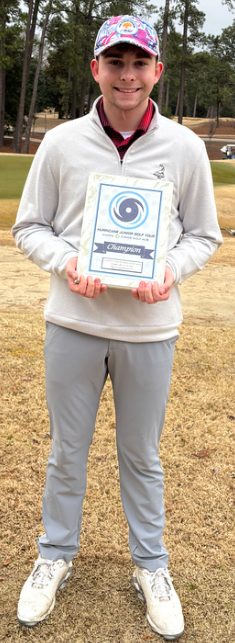
At historic Pinehurst Resort, where precision has always outweighed power, Ben Kandravy added his name to the weekend’s storyline by capturing the Pinehurst Junior Open presented by Srixon.
Kandravy didn’t overpower Pinehurst. He survived it.
The Allison Park, Pennsylvania native opened with a steady 72 and followed with a 75 to finish at +3 (147), the only player in the field to hold his position across both days without unraveling. At Pinehurst, that’s the formula. Miss on the wrong side of the green and the collection areas demand creativity. Miss twice, and the card reflects it quickly.
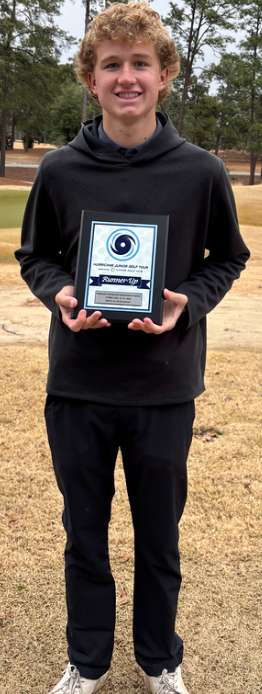
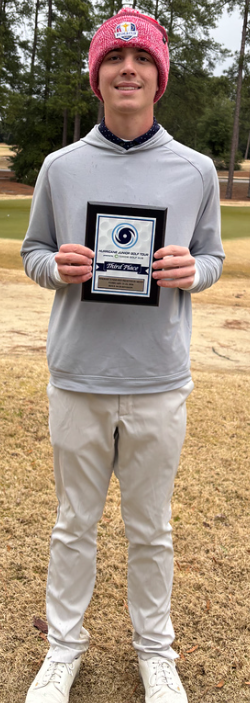
Peter Sirianni of Winter Park, Florida made an early statement with a first-round 71 — the low round of the championship — but a 77 on Sunday left him one shot short at +4 (148). Ryder Robinson quietly climbed into third at +5 (149), backing up his 75 with a composed 74 to stay within striking distance.
From there, Pinehurst did what Pinehurst always does.
It stretched the field.
Only three players finished inside five-over. By the time the leaderboard moved into double digits over par, it became clear that this wasn’t a birdie contest — it was a discipline test. Joey Looby and Mason Parker rounded out the top five, but the margin between contending and chasing widened quickly across the weekend.
The course dictated terms. Firm approaches. Run-off areas around the greens. Elevated pressure with every wedge shot. Players who forced the issue paid for it.
Kandravy didn’t force anything.
He managed. He avoided the big number. And when others stumbled late, he stayed steady.
The Pinehurst Junior Open presented by Srixon once again delivered exactly what the Hurricane Junior Golf Tour is designed to provide: championship venues, national competition, and pressure environments that accelerate development.
Winning at Pinehurst means something.
And this weekend, it belonged to Kandravy.
Rank
Player
Total
No. 1 Rank
Ben Kandravy
+3 Total
No. 2 Rank
Peter Sirianni
+4 Total
No. 3 Rank
Ryder Robinson
+5 Total
boys 14-15
See Full Details
At Pinehurst Resort, nothing is given. Every shot is negotiated. Every miss is exposed.
Madex Swisher understood that.
The Bennington, Kansas native opened the Pinehurst Junior Open presented by Srixon with a composed 73 and followed with a 78 to finish at +7 (151), controlling the Boys 14–15 division from start to finish.
His opening-round 73 set the tone. On a layout where collection areas punish even slightly offline approaches, Swisher avoided the compounding mistakes that Pinehurst is known for creating. When others struggled to solve the greens, he kept the ball in manageable positions and trusted his process.
Lochlann Collins of Connecticut made the biggest Sunday move in the field, firing a 76 after an opening 84 to secure second place at +16 (160). The comeback was notable — but Pinehurst rarely allows a full chase.
Bret Wade finished third at +21 (165), followed by Mathis Mandeville at +24. From there, the separation widened. Double digits over par became common as the weekend wore on, a reflection of Pinehurst’s demand for precision rather than power.
That’s the story of this venue.
Miss in the wrong quadrant of the green, and recovery becomes a guessing game. Attack the wrong flag, and momentum disappears quickly. The Boys 14–15 division experienced exactly what makes Pinehurst a benchmark test: strategic discipline.
Swisher didn’t overpower the course. He respected it.
At a venue where patience often determines the winner, he stayed measured while others unraveled. The result was a nine-shot victory — not flashy, but definitive.
Winning anywhere matters.
Winning at Pinehurst carries weight.
This weekend, Swisher carried it.

Rank
Player
Total
No. 1 Rank

Madex Swisher
+7 Total
No. 2 Rank
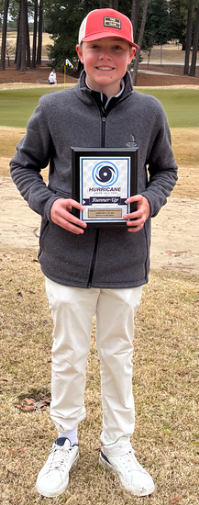
Lochlann Collins
+16 Total
No. 3 Rank
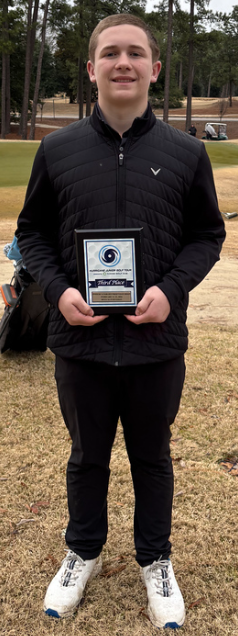
Bret Wade
+21 Total
boys 12-13
See Full Details
At Pinehurst Resort, age doesn’t soften the challenge.
Grayson Lorz found that out — and answered it.
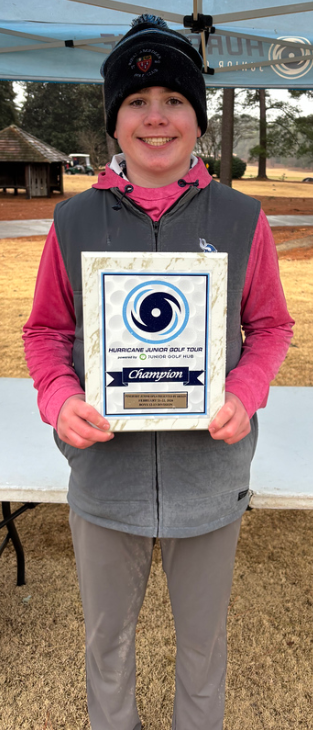
The Oxbow, North Dakota native posted rounds of 78-83 to finish at +17 (161), capturing the Boys 12–13 division at the Pinehurst Junior Open presented by Srixon.
His opening 78 set the tone — steady, controlled, and free of the kind of big numbers that Pinehurst’s run-off areas often create. Sunday proved more difficult. The 83 reflected just how quickly the course can demand adjustments, particularly around the greens where missed targets rarely settle close.
But the damage was contained.
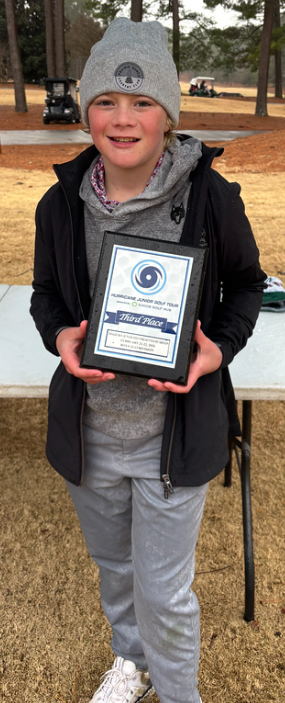
Rory Berg of Ohio mounted the strongest challenge, finishing second at +23 (167) with rounds of 85-82. His improved Sunday round kept pressure on the leaderboard, but Pinehurst rarely allows large deficits to disappear entirely.
Rowen Swisher secured third at +29 (173), followed by Dillon Parekh at +32. From there, the scoring gap widened — a reminder that Pinehurst tests more than ball striking. It tests decision-making. It tests patience. And for this age group, it accelerates competitive learning.
Collection areas swallowed marginal approach shots. Greens demanded precise landing spots rather than aggressive flag hunting. Players who forced the issue found themselves scrambling repeatedly.
Lorz didn’t force anything.
He managed expectations, minimized mistakes, and avoided the one stretch that can undo a tournament at Pinehurst. In a division where consistency outweighed volatility, that discipline proved decisive.
Winning at Pinehurst, at any age, carries weight.
For Lorz, it’s an early marker — proof that composure travels.
Rank
Player
Total
No. 1 Rank

Grayson Lorz
+17 Total
No. 2 Rank
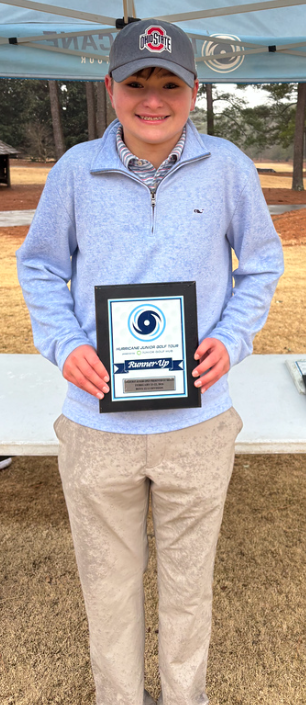
Rory Berg
+23 Total
No. 3 Rank
Rowen Swisher
+29 Total
girls 14-18
See Full Details
Winning at Pinehurst feels different.
For Ally Farlow, it felt personal.
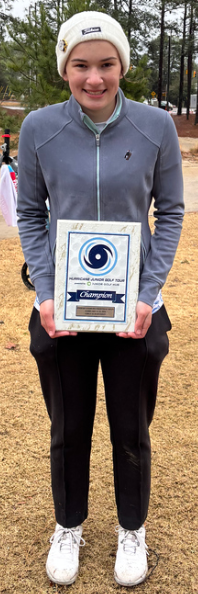
At Pinehurst Resort, the Whispering Pines native leaned on familiarity and composure to capture the Girls 14–18 title at the Pinehurst Junior Open presented by Srixon.
Farlow posted rounds of 84-82 to finish at +22 (166), improving on Sunday as the course continued to show its teeth. Pinehurst’s defining characteristic — crowned greens that repel marginal approach shots — was on full display. Players who missed on the wrong side faced delicate recovery shots from tightly mown run-offs.
Farlow handled it better than the rest.
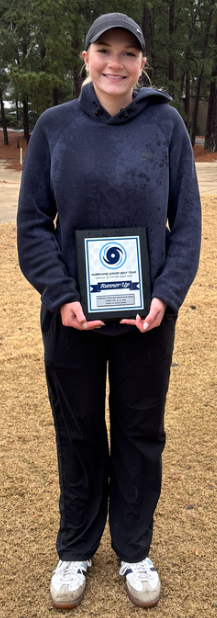
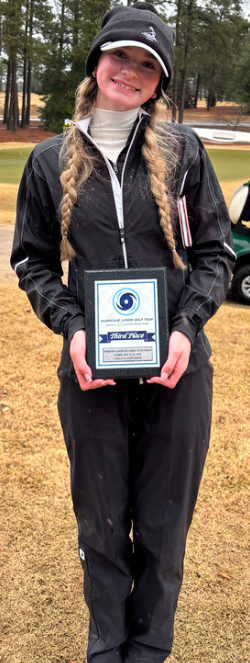
Emeri Ennis, playing just minutes from the resort, finished second at +28 (172), while Addison Davis claimed third at +30 (174). All three battled the same reality: Pinehurst rarely gives anything away. The margin between a routine par and a scrambling bogey is often a matter of inches.
By Sunday afternoon, it was clear this wasn’t a scoring contest — it was a survival test. Fairways framed by sandhills demanded precision off the tee. Greens required strategic landing spots rather than aggressive flag hunting. The players who chased fell back.
Farlow didn’t chase.
She stayed patient. She avoided the tournament-altering stretch. And she closed stronger than she opened — often the mark of a champion at Pinehurst.
Winning at this venue carries historical weight. It’s a place where shot-making matters, but decision-making matters more.
This weekend, Farlow made the right decisions.
Rank
Player
Total
No. 1 Rank

Ally Farlow
+22 Total
No. 2 Rank
Emeri Ennis
+28 Total
No. 3 Rank
Addison Davis
+30 Total