

Philadelphia Spring Kickoff at Jeffersonville
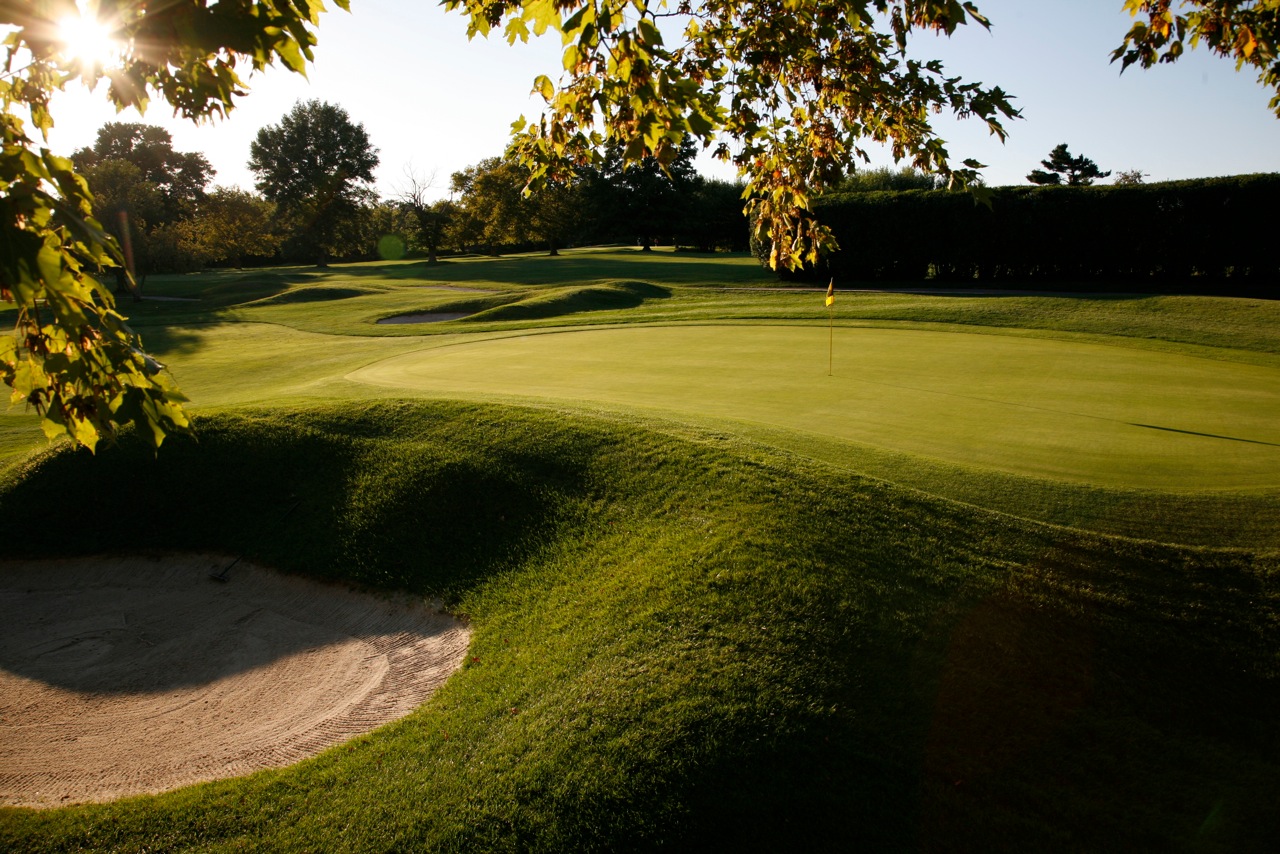
Jeffersonville Golf Club delivered exactly what you want from an HJGT venue—structure, pressure, and a course that forces players to think their way through every hole. This wasn’t a layout where players could rely on raw talent alone. It demanded discipline, smart decision-making, and the ability to stay composed when rounds started to slip. Across all divisions, you saw the same pattern: players who managed mistakes stayed competitive, and those who didn’t fell back quickly.
What made Jeffersonville stand out was how it rewarded adjustment. The players who improved in round two made the biggest moves on the leaderboard. That tells you the course is doing its job. It’s exposing weaknesses early, then rewarding players who can learn, reset, and execute better the next day. That’s real tournament golf, and it’s exactly what junior players need if they’re going to develop beyond just posting scores.
From an HJGT standpoint, Jeffersonville Golf Club checks the right boxes. It creates a competitive environment where results have to be earned, not handed out. It challenges older players to close under pressure and forces younger players to build resilience and course management skills early. The Philadelphia Spring Kickoff wasn’t about low scoring—it was about who could handle the test. That’s the kind of venue standard that elevates the tour.
boys 16-18
See Full Details
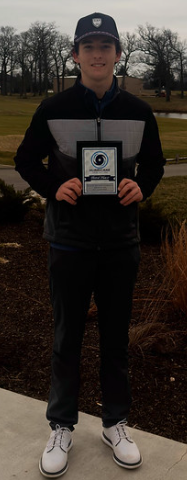
The Boys 16-18 division at the Philadelphia Spring Kickoff delivered a deep, competitive field at Jeffersonville Golf Club, and Declan Conner emerged as the most consistent player over two rounds. Conner backed up an opening 76 with a strong closing 74 to finish at 10-over par and secure a four-shot victory.
What separated Conner was control late. On a course where scoring required patience and discipline, his second-round 74 stood out as one of the better rounds among the leaders and allowed him to create distance from the field. Logan Cassidy finished runner-up at 14-over with steady rounds of 77 and 77, while Bryce Ciochetto and Kellen Toussaint shared third at 16-over, both staying in contention but unable to make a final push.
This division had depth. The leaderboard was packed, and movement was constant, especially in the middle positions. Players like Jackson Streett, who posted a 73 in the final round—the low round of the division—showed how much the course could reward a strong finish. But the difference came down to avoiding mistakes across both days, and Conner did that better than anyone.
Jeffersonville Golf Club created a proper competitive environment. It required players to stay focused, manage their game, and finish rounds without giving shots away. That is what defined this division. The players who stayed disciplined held their ground, while those who slipped fell quickly in a field this large.
For the Hurricane Junior Golf Tour, this is exactly what a high-quality regional event should look like. A full leaderboard, meaningful competition, and a course that forces players to earn their position. Declan Conner’s two-round performance checked all of those boxes and made him a deserving champion at the Philadelphia Spring Kickoff.

Rank
Player
Total
No. 1 Rank
Declan Conner
+10 Total
No. 2 Rank

Logan Cassidy
+14 Total
No. 3 Rank
Bryce Chiochetto
+16 Total
No. 3 Rank

Kellen Toussaint
+16 Total
boys 14-15
See Full Details
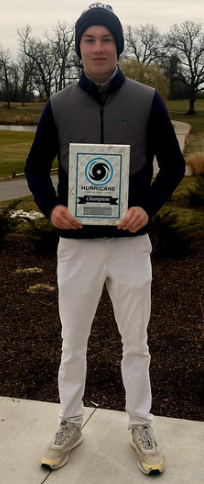
The Boys 14-15 division at the Philadelphia Spring Kickoff came down to a strong closing round, and George Hampel delivered exactly that at Jeffersonville Golf Club. After opening with an 85, Hampel responded with a 76—the low round of the division—to finish at 21-over par and secure a three-shot victory.
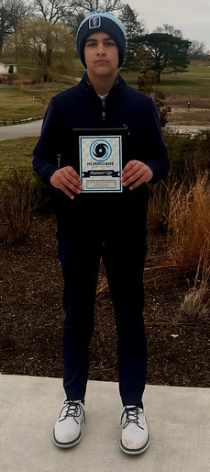
That second-round performance was the difference. On a course that demanded patience and rewarded players who could adjust, Hampel flipped the tournament in his favor by tightening his game and finishing strong. Christos Bottos held the lead early after an opening 79 but couldn’t maintain momentum, finishing runner-up at 24-over. Drew Gebhard took third at 28-over with consistent rounds, while the rest of the field battled to keep pace on a layout that didn’t offer many scoring opportunities.
This division highlighted how important it is to adapt over two days. Jeffersonville didn’t allow players to stay comfortable, and those who improved as the tournament went on gained ground quickly. Hampel’s ability to reset after the first round and produce the best round of the weekend in his division showed maturity and control.
For the Hurricane Junior Golf Tour, this was exactly the type of competitive setup that drives development. A demanding course, a tight leaderboard, and a winner who had to earn it with a strong finish. George Hampel’s final-round 76 defined the division and made him a deserving champion at Jeffersonville.
Rank
Player
Total
No. 1 Rank

George Hampel
+21 Total
No. 2 Rank
Christos Bottos
+24 Total
No. 3 Rank
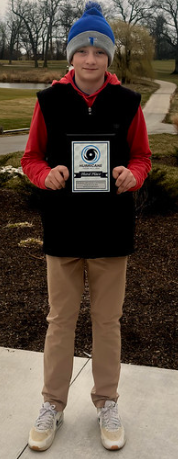
Drew Gebhard
+28 Total
boys 12-13
See Full Details
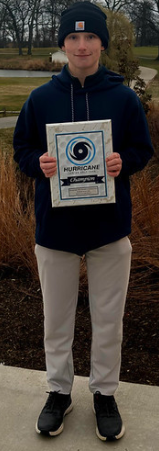
The Boys 12-13 division at the Philadelphia Spring Kickoff was defined by one of the strongest bounce-back performances of the weekend at Jeffersonville Golf Club. Jack Frisbie turned the tournament in his favor with a second-round 76 after opening with a 90, finishing at 26-over par to claim the division title by nine shots.
That final-round 76 was the key. On a course that demanded patience and punished mistakes, Frisbie made the necessary adjustments and posted one of the better rounds across the younger divisions. Grant Bravyak finished runner-up at 35-over, staying steady across both days, while Evan Szychter placed third at 76-over as he battled through a difficult test.
This division showed how important it is for young players to reset and respond. Jeffersonville does not reward frustration—it rewards composure and the ability to learn quickly. Frisbie did exactly that, improving significantly in the second round and separating himself from the field.
For the Hurricane Junior Golf Tour, this is the kind of developmental environment that matters. Players are not just competing—they are learning how to adjust, stay mentally engaged, and finish strong. Jack Frisbie’s turnaround performance made him a clear champion and highlighted what competitive junior golf is supposed to look like at Jeffersonville.
Rank
Player
Total
No. 1 Rank

Jack Frisbie
+26 Total
No. 2 Rank
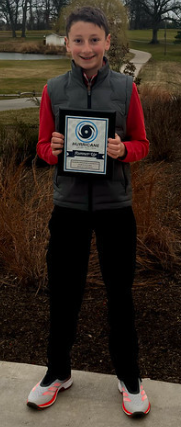
Grant Bravyak
+35 Total
No. 3 Rank
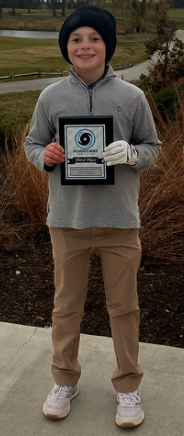
Evan Szychter
+76 Total
girls 14-18
See Full Details
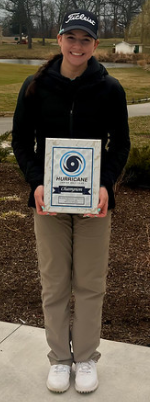
The Girls 14-18 division at the Philadelphia Spring Kickoff came down to who could adjust and finish, and Charlotte Reid did exactly that at Jeffersonville Golf Club. After opening with an 87, Reid responded with a strong final-round 77 to finish at 24-over par and secure a six-shot victory.
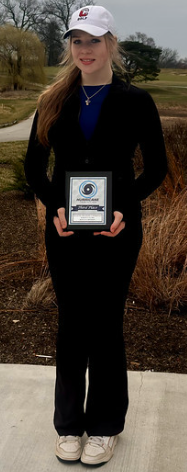
That second-round 77 was the difference-maker. On a course that demanded patience and punished mistakes, Reid tightened her game and separated herself from the field. Teagan Mahoney finished runner-up at 30-over with steady rounds of 85 and 85, while Katherine Shrum claimed third at 42-over. Behind them, the leaderboard stayed competitive, but no one was able to match Reid’s improvement on Sunday.
This division reinforced how important it is to adapt over two rounds. Jeffersonville does not allow players to stay comfortable, and those who can reset and execute under pressure gain a clear advantage. Reid’s ability to bounce back and post one of the best rounds in the division showed control and composure when it mattered most.
For the Hurricane Junior Golf Tour, this was another strong example of meaningful competition. A demanding course, a clear adjustment between rounds, and a champion who earned it with a closing performance. Charlotte Reid’s final-round push defined the division and closed out a competitive weekend at Jeffersonville.
Rank
Player
Total
No. 1 Rank

Charlotte Reid
+24 Total
No. 2 Rank

Teagan Mahoney
+30 Total
No. 3 Rank
Katherine Shrum
+42 Total